
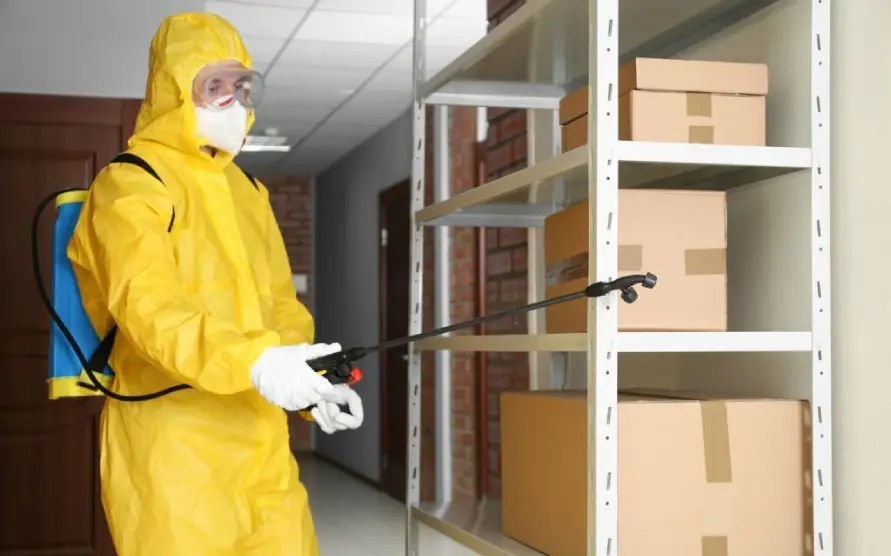
Common Pests In Storage Areas
Depending on the location, temperature, and kind of kept goods, common pests in storage places might change. Hire local pest exterminators for storage pests to find the pest infestation in storage. Some of the most prevalent bugs discovered in storage rooms are:
- Rodents
- Termites
- Insects
- Cockroaches: These adaptable, hardy insects are frequently discovered in dim, congested storage areas.
- Ants: Infesting storage spaces is possible as ants look for food. They may easily create colonies by entering via tiny gaps.
- Moths: These insects can harm stored grains, textiles, and apparel. Particularly clothes moths eat natural fabrics like silk and wool.
Identifying Storage Area Pest Infestations
The ability to identify pest infestations in storage areas is necessary for both effective pest treatment and prevention. Request a storage area pest inspection for effective identification of pests in your residences.
- Observable Pests
- Urine and Droppings Stains
- Items that have been gnawed or chewed
- Nesting Supplies
- Food packaging damage
How To Prevent Pests In Storage Space
To secure your things and keep a clean, pest-free environment, pest prevention in storage areas is crucial.
- Routine maintenance and cleaning
- Properly store your items
- Decrease moisture
- Entry Points for Seals
- Getting Rid of Garbage Correctly
- Use pest-resistant materials
- Regularly Check and Watch
- Upkeep of Outdoor Space
- Keep from overstocking
Types Of Pests Attracted To Stored Items
Pests of many kinds are drawn to kept goods, especially in dark and undisturbed situations like storage facilities. The precise sorts of pests attracted to stored things might vary based on the contents of the storage facility. Affordable pest removal services for storage facilities are provided by professionals.
- Food items include:
- Pests of Stored Goods
- Cockroaches
- Ants
- Fabrics and clothing:
- Moths in Clothes
- Carpet beetles are a kind of insect.
- Silverfish
- Products made of wood and paper:
- Termites
- Silverfish
- Damp or humid conditions:
- Mildew and mold
- Shelter in general:
- Mice and rats are examples of rodents.
- Spiders
- Birds
The Risks Of Pest Damage In Storage Facilities
Pest damage in storage facilities can pose several concerns and have a negative impact. It is critical to understand and handle these dangers to preserve your stored belongings and maintain a secure and hygienic storage environment. Schedule a pest treatment for your storage space now, to get rid of storage area pests today.
- Financial Setback
- Structural Deterioration
- Stored Item Contamination
- Health Dangers
- Irreplaceable Item Loss
Natural Ways To Keep Pests Out Of Storage Areas
There are various natural and ecologically friendly solutions for keeping pests out of storage rooms. These strategies can be useful in avoiding infestations without the use of chemical pesticides.
- Organization and cleanliness
- Entry Points for Seals
- Using Natural Pest Repellents like Cedarwood, Peppermint Oil, Lavender, Bay Leaves
- Make Use of Natural Pest Traps
- DE (Diatomaceous Earth)
Life Cycle Of Pests In Storage Spaces
Pest life cycles in storage facilities can vary greatly based on pest kind and environmental circumstances. Many pests, on the other hand, have a broad lifecycle with numerous phases, including egg, larva, pupa, and adult.
- Stored Product Pests (e.g., Meal Moths, Weevils, Flour Beetles):
- Egg
- Larva
- Pupa
- Adult
- Cockroaches:
- Egg
- Nymph
- Adult
- Ants:
- Egg
- Larva
- Pupa
- Adult
- Rodents (e.g., Mice and Rats):
- Birth
- Pup
- Juvenile
- Adult
